A 65-bed recovery community designed to give men the stability, accountability and support needed to build lasting recovery.
True North Recovery Housing currently operates structured recovery housing in Little Rock, Arkansas. AARR approved and NARR aligned, True North provides supportive, substance-free housing designed to give residents stability, accountability, community and a strong foundation for long-term recovery.
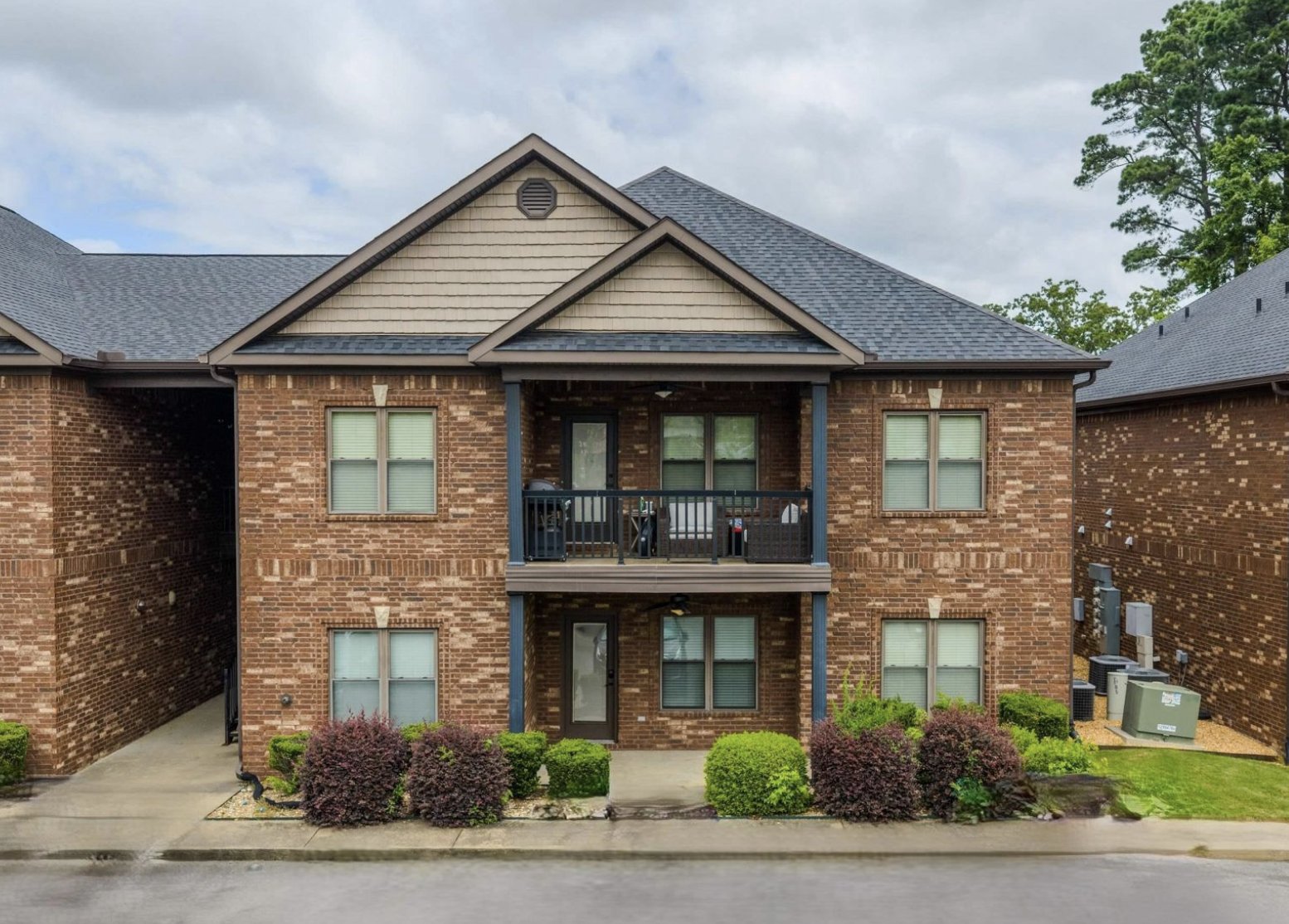
True North is proposing to acquire and transform the existing multifamily property at 1930 North Reynolds Road in Bryant into a dedicated men's recovery housing campus — 22 apartment buildings, already built, already residential, ready to become something more purposeful.
This is recovery housing, not a treatment center. Residents live independently within a structured, substance-free environment while participating in recovery, employment, meetings and community life. The goal in Bryant is not simply to fill beds — it's to build a genuine recovery community.
Recovery doesn't end at discharge — for many, that's where the hardest part begins. Saline County is experiencing a disproportionate and rapidly worsening opioid burden, and the Bryant Recovery Campus is designed to add long-term recovery infrastructure in the community where that need is being felt.
A single-year increase of this size points to a local crisis accelerating faster than the state as a whole — and to a widening window in which stable, substance-free housing can make the difference between relapse and recovery.
Saline County's reported fentanyl-involved death rate is approximately 27% higher than the statewide rate.
Saline County's share of opioid-involved deaths is approximately 40% greater than its share of the state's population.
Opioid prescriptions per 100 residents. Saline County's 2025 rate is up from 74.8 per 100 in 2024, and is roughly 2.14 times the 2024 national rate. Prescribing data is one indicator of opioid exposure — not proof of opioid-use disorder or a direct cause of overdose mortality — and should be read alongside the county's rising opioid- and fentanyl-involved death rates above.
Treatment, detoxification, courts and emergency interventions are critical pieces of the response to substance use disorder. But recovery continues long after those interventions end. For many people, the question becomes:
"Where do I go next?"
A person may leave detox or treatment committed to recovery and still return to an unstable or substance-exposed living environment. The True North Bryant Recovery Campus is designed to strengthen that missing part of the continuum by creating 65 structured recovery-housing beds in Saline County.
Source: Saline County indicators verified and provided by the Office of the Arkansas State Drug Director, 2025.
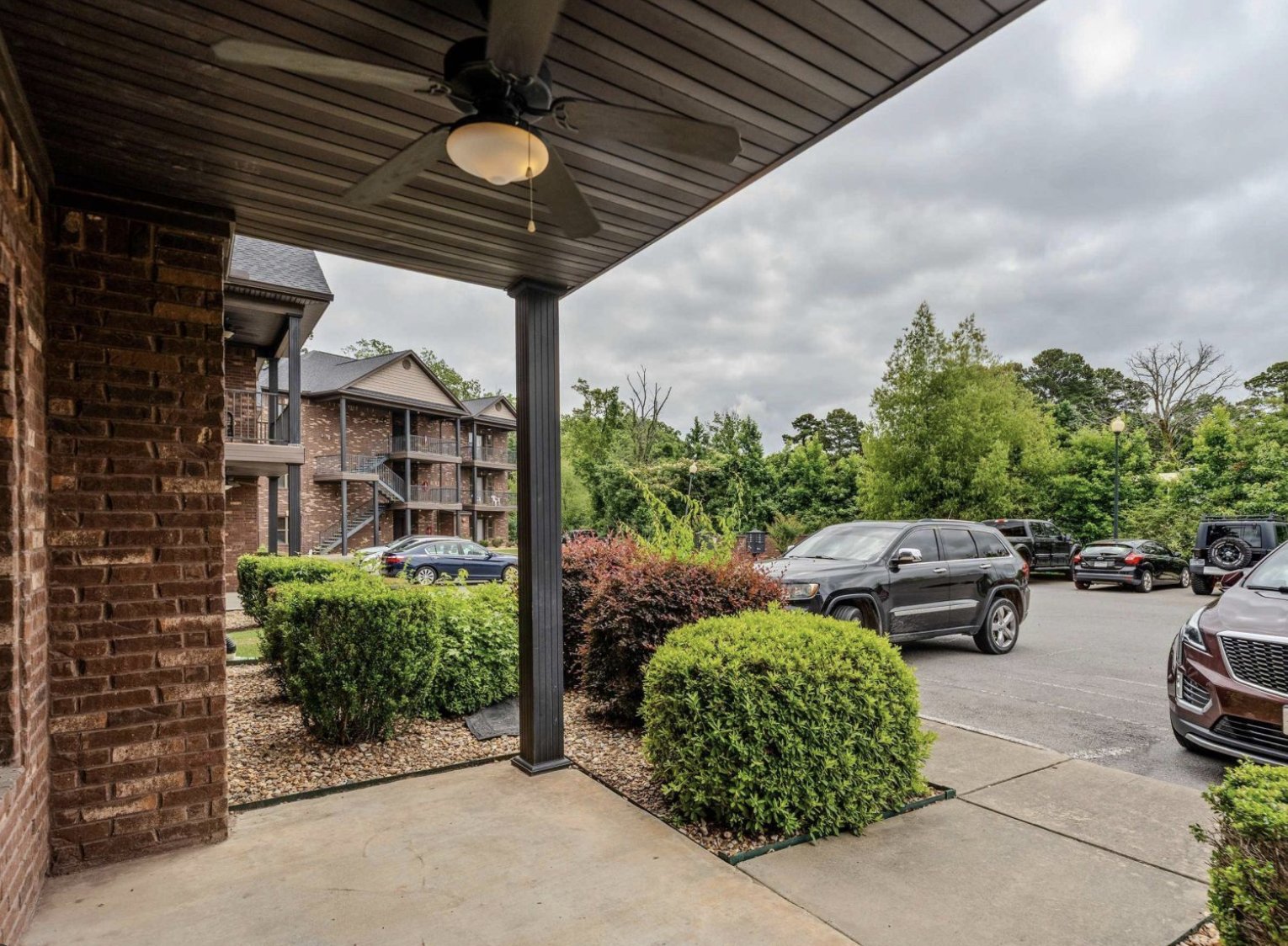
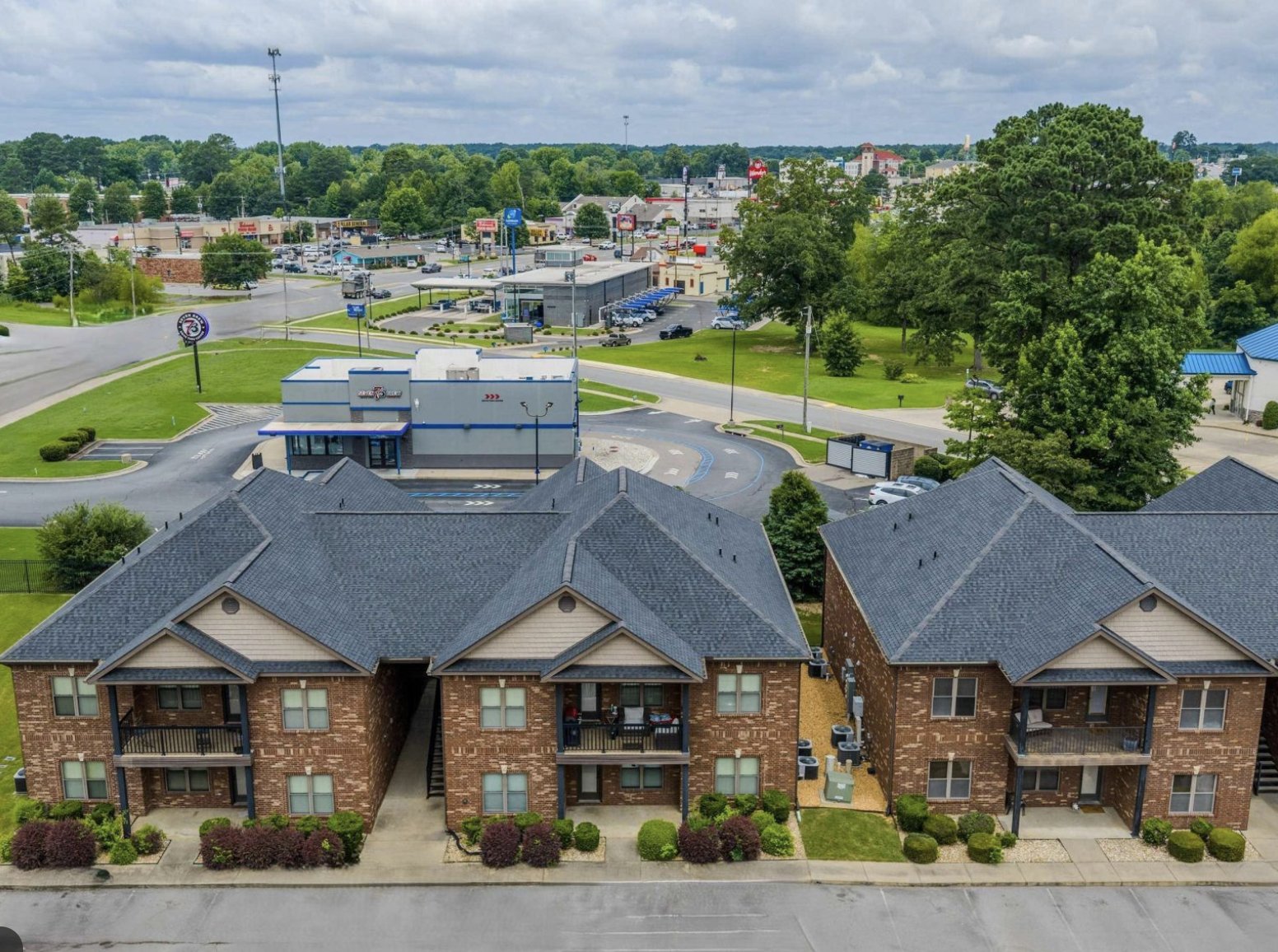
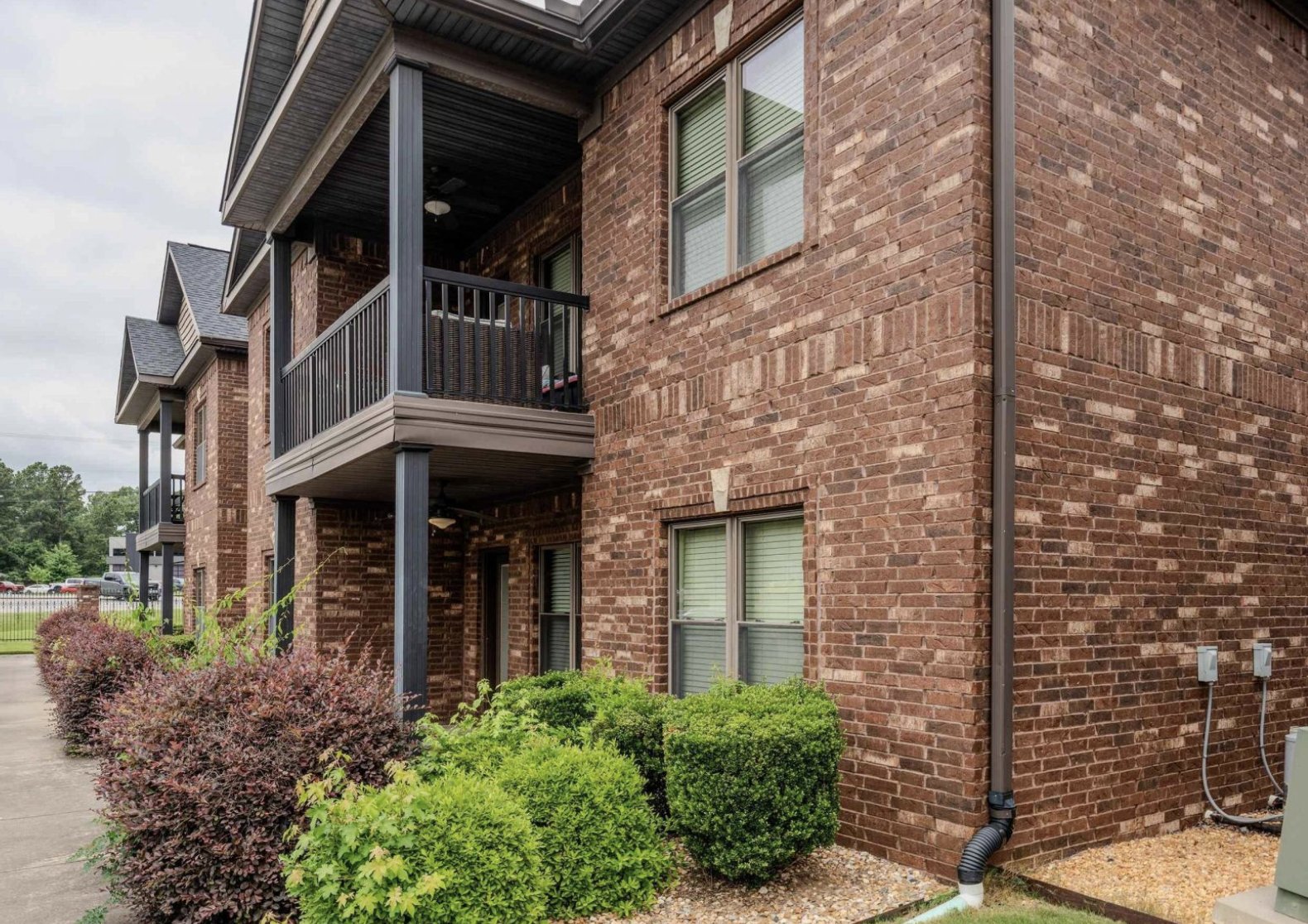
Bryant isn't the final destination — it's the stable ground from which residents move forward, the base camp from which recovery's many summits become reachable. These are photographs of 1930 North Reynolds Road as it stands today. No renovations shown — only the vision for how each part of the existing property becomes part of the recovery campus.
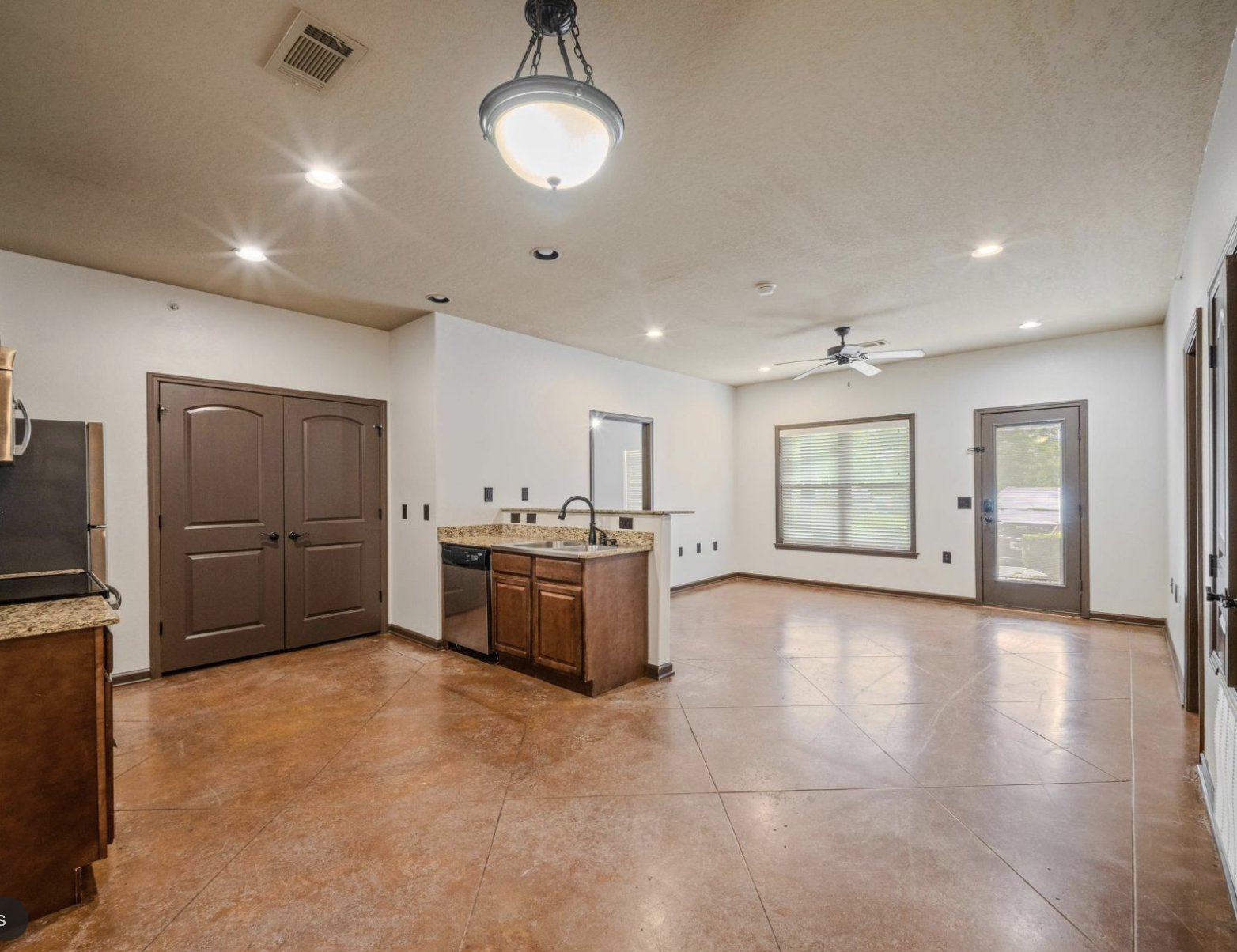
Each two-bedroom, two-bathroom unit already offers the privacy and dignity residents need — a real front door, a real balcony, a real address. Little changes structurally; the purpose becomes recovery housing built around accountability and peer support.
The property's campus-style layout — buildings arranged around shared walkways and grounds — is built for exactly the kind of proximity and peer accountability that makes structured recovery housing work.
Covered walkways, patios and open grounds already give the property a shared, communal feel — space that becomes the setting for house meetings, cookouts and the everyday connection recovery depends on.
Open kitchens, real living rooms, private bedrooms and bathrooms — residents live in an actual home, not a dormitory or a facility, while following the structure that makes recovery housing effective.
Minutes from Saline County services, employers and everyday amenities, the property sits inside the City of Bryant — not isolated on its outskirts. That proximity matters for jobs, meetings and reintegration.
A car isn't a given in early recovery. That's exactly why this address matters: groceries, a gym, coffee and banking all sit within a few minutes on foot, and employers along the Reynolds Road corridor are close enough to reach without needing a ride.
One unit within the campus will be converted into a dedicated community amenity space — available to every resident, every day.
Additional centralized laundry access beyond individual units.
A place for residents to socialize without leaving the sober community.
Computers and workspace for job applications, résumés, email and online forms.
Space to search for housing and complete recovery-related paperwork.
Structured recovery housing works because residents receive freedom within clear boundaries — enough structure to build discipline, enough respect to build self-worth.
A firm, campus-wide standard maintained through testing and peer accountability.
Five House Managers integrated throughout the campus, day to day.
Clear expectations that support routine without feeling punitive.
At least three AA, NA or approved recovery meetings weekly.
Random drug and alcohol testing to protect the integrity of the community.
Naloxone on hand as part of standard emergency preparedness.
Regular house meetings that reinforce community norms and support.
Dedicated True North leadership overseeing the campus and its staff.
"Freedom within clear boundaries — that's what makes structured recovery housing work."
A lack of income should not automatically prevent someone who is ready for recovery from accessing a safe, structured place to live.
True North will continuously reserve a minimum of five scholarship beds for residents who have no income and cannot initially afford the standard resident fee. Scholarships can provide the full resident fee for an initial 60-day period, followed by structured reviews as residents work toward employment and self-sufficiency.
True North already has relationships and referral pathways across Arkansas. Residents may enter the Bryant campus through multiple channels, making the project part of the broader recovery infrastructure of Saline County — not a single-partner program.
The Bryant Recovery Campus has received support from key local stakeholders, and the project's use of the property has been confirmed with the City's planning process. True North's plan has been consistent throughout: recovery housing, not clinical treatment.


Leads True North's operations and program direction, setting the standards and structure that guide every resident's recovery — from Little Rock's existing campuses to the Bryant expansion.
Oversees resident support and accountability, working directly with residents and House Managers to build the structure and stability that lasting recovery depends on.
The existing apartment property won't change overnight. True North plans to transition apartments into recovery housing progressively as units become available, over an anticipated 18-month period.
Property acquisition, staffing plans and initial House Manager onboarding.
Units transition into recovery housing as they become available, in phases.
Conversion of the shared community unit; referral network fully engaged.
Campus reaches its full proposed capacity of 65 recovery housing beds.
Not simply a bed tonight. The objective is to help someone build a life they can sustain tomorrow.
Recovery rarely happens in isolation. It happens when people have somewhere safe to sleep, people who expect them to show up, opportunities to work, a community that understands the journey — and enough time to rebuild.
65 residents. One recovery community. Thousands of better days ahead.